中文 (简体)
Vietnam has become one of the fastest-growing travel destinations in Southeast Asia, attracting millions of international visitors each year with its breathtaking landscapes, rich cultural heritage, world-renowned cuisine, and exceptional value for money.
For those seeking an unforgettable vacation, Vietnam offers a remarkable combination of ancient history, vibrant cities, pristine beaches, mountain adventures, and warm hospitality.
Whether you are planning your first international trip to Asia or returning to explore more of this fascinating country, understanding Vietnam’s geography, climate, transportation, Vietnam visa requirements, and culinary traditions will help you make the most of your journey.
Vietnam Map: Understanding the Country Before You Go
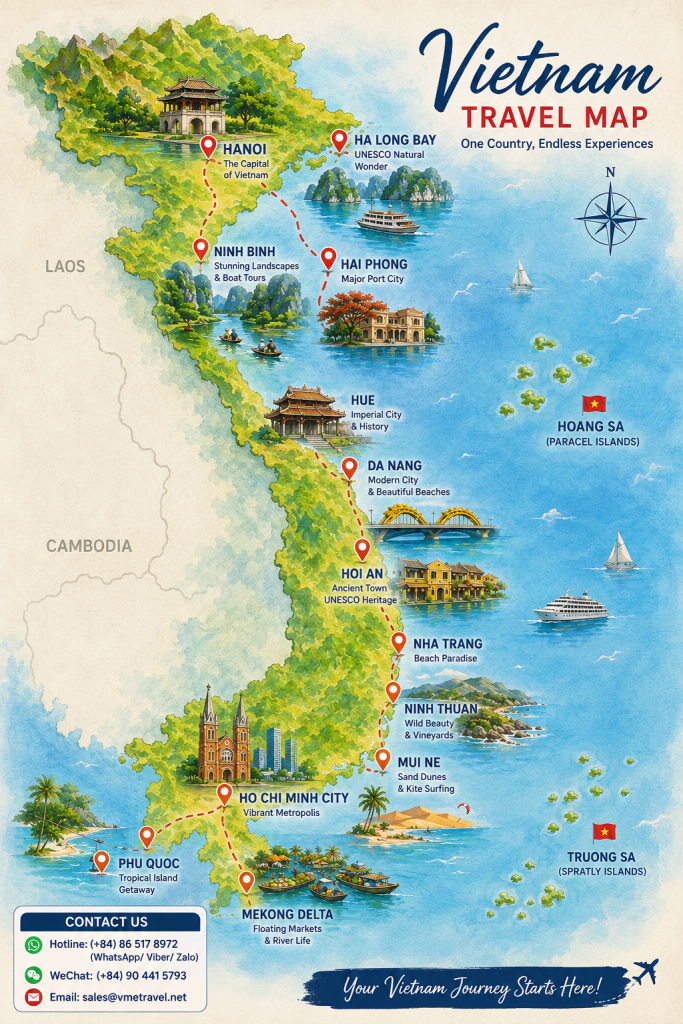
Looking at a Vietnam map is one of the best ways to begin planning your itinerary. Vietnam stretches more than 1,650 kilometers (over 1,000 miles) from North to South, creating remarkable diversity in both landscapes and climate. Because of its long, narrow shape, travelers can experience misty mountain villages in the North, golden beaches along the Central Coast, and tropical islands in the South, all within a single vacation.
Most visitors choose to travel either from Hanoi in the North to Ho Chi Minh City in the South or in the opposite direction, allowing them to discover famous destinations such as Ha Long Bay, Ninh Binh, Hue, Da Nang, Hoi An, the Mekong Delta, and Phu Quoc Island along the way.
Vietnam Capital: Why Hanoi Should Be on Every Itinerary
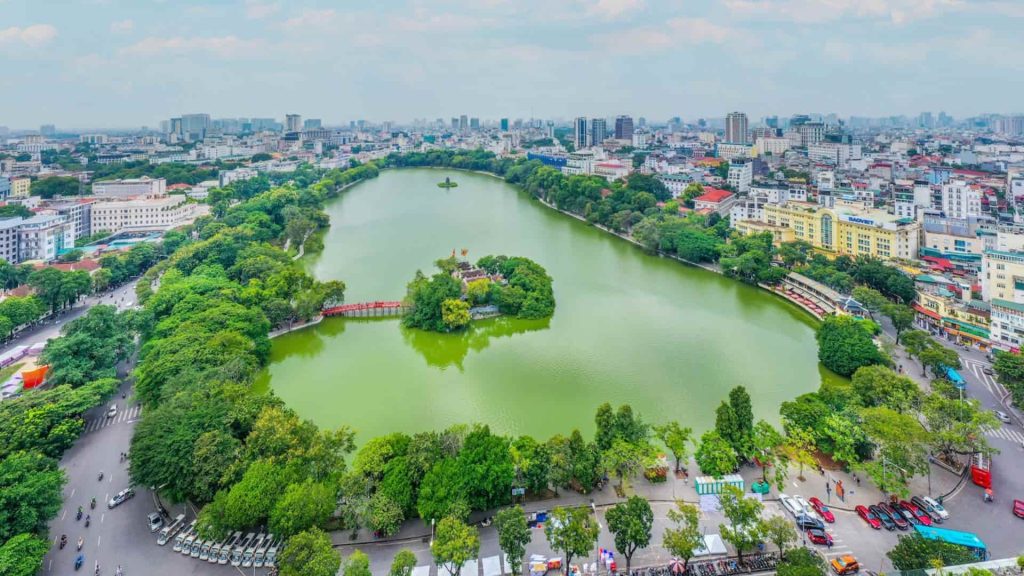
The capital of Vietnam is Hanoi, a city that perfectly blends more than a thousand years of history with modern urban life.
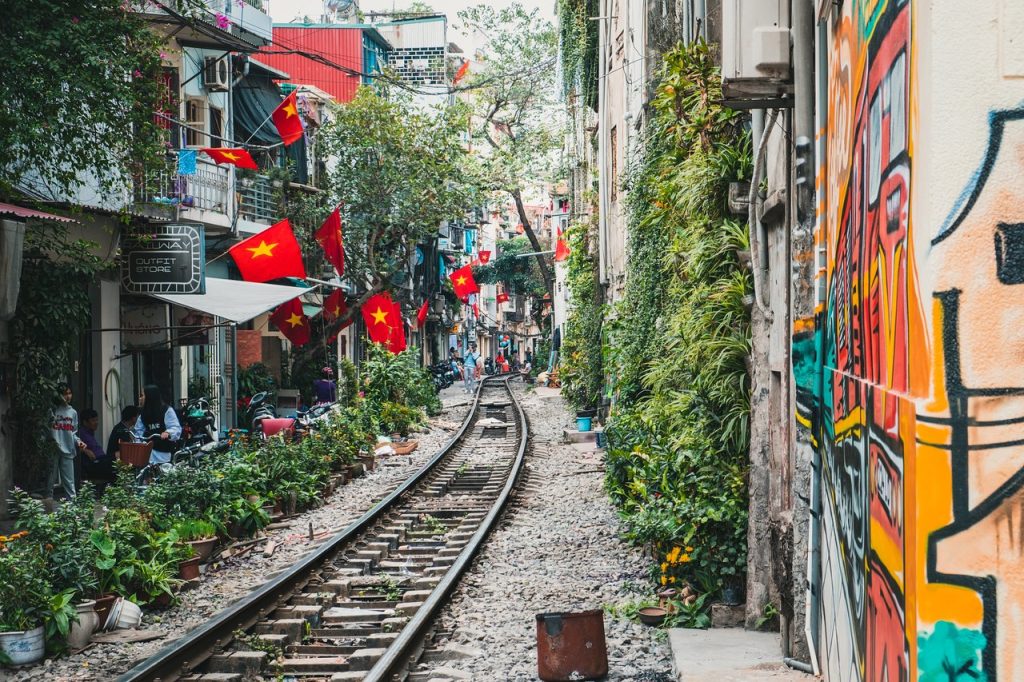
Walking through Hanoi’s Old Quarter reveals narrow streets filled with traditional shops, family-run restaurants, colonial-era architecture, and lively cafés where locals gather throughout the day.
The peaceful surroundings of Hoan Kiem Lake offer a striking contrast to the city’s energetic streets, while historic landmarks such as the Temple of Literature and Ho Chi Minh Mausoleum provide fascinating insights into Vietnam’s cultural and political history.
Hanoi is also considered one of Asia’s premier culinary destinations, making it the perfect place for first-time visitors to discover authentic Vietnamese flavors before exploring the rest of the country.
Flights to Vietnam
Traveling to Vietnam has become increasingly convenient as airlines continue expanding their international networks.
For American travelers, while nonstop flights are limited, you can easily reach Vietnam through major transit hubs such as Tokyo, Seoul, Taipei, Hong Kong, or Singapore. Depending on the departure city and connection, total travel time generally ranges between 17 and 24 hours.
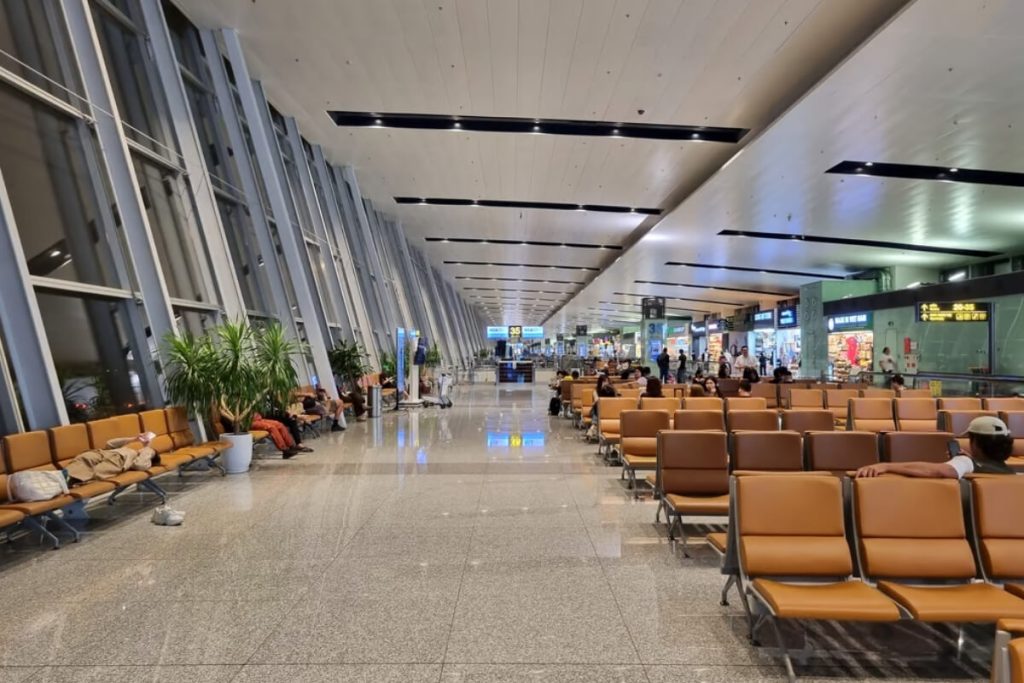
The country’s busiest international gateways include Noi Bai International Airport (HAN) in Hanoi, Tan Son Nhat International Airport (SGN) in Ho Chi Minh City, and Da Nang International Airport (DAD) in central Vietnam. Booking flights several months in advance often results in better fares, particularly for travel during holidays and the peak tourism season.
You may also need:
Vietnam Airlines and Domestic Travel
One of Vietnam’s greatest advantages for tourists is its efficient domestic aviation network. Since the country’s major attractions are spread across a considerable distance, flying between destinations allows you to maximize your vacation time.
Vietnam Airlines, the country’s national carrier, is widely recognized for its full-service experience and extensive domestic network, while low-cost airlines such as VietJet Air provide affordable options for travelers on a budget.
Flights between Hanoi, Da Nang, Ho Chi Minh City, and popular island destinations operate frequently throughout the day, making it easy to combine multiple regions into a single itinerary without spending long hours on buses or trains.
👉 See more of Vietnam airlines here.
eVisa Vietnam Requirements
First, check if your nationality is exempt from a Vietnam visa at https://vietnamvisaservice.net/vietnam-visa-exemption/.
For those who are not on the Vietnam visa exemption list, obtaining an eVisa for Vietnam is one of the simplest parts of planning a trip. The electronic visa application process allows eligible visitors to apply online before departure, eliminating the need to visit an embassy or consulate.
Applying well before your departure date provides extra peace of mind and ensures that your travel plans proceed smoothly. Having your Vietnam visa approved before arriving in Vietnam also helps reduce waiting times at immigration and allows you to begin your vacation with confidence.
👉 See more about Vietnam last-minute visa.
Vietnam Weather: What to Expect Throughout the Year
Vietnam’s weather varies considerably from one region to another. Therefore, understanding these regional differences allows travelers to design itineraries that take advantage of the best weather conditions wherever you plan to visit.
Northern Vietnam experiences four distinct seasons, with cool, dry winters and hot, humid summers. This makes destinations such as Hanoi, Sapa, Ha Long Bay, and Ninh Binh particularly pleasant during the cooler months.
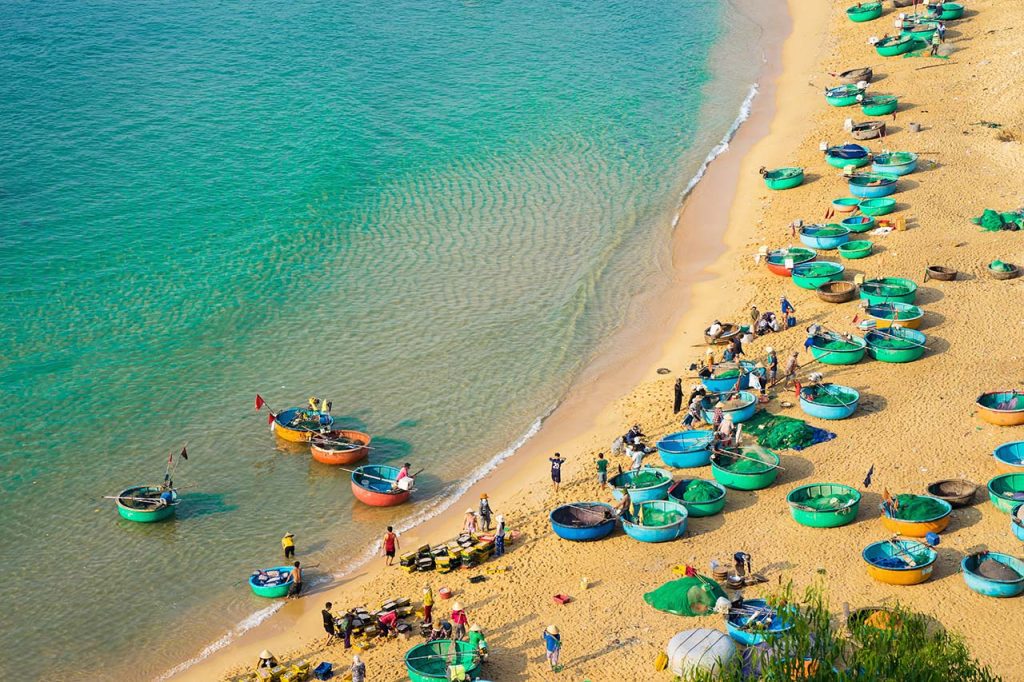
Central Vietnam enjoys long periods of sunshine that are ideal for beach holidays in Da Nang and Hoi An, although the region can experience seasonal storms later in the year.
Southern Vietnam, including Ho Chi Minh City, the Mekong Delta, and Phu Quoc Island, maintains a tropical climate throughout the year with distinct dry and rainy seasons.
Best Time to Visit Vietnam
For travelers hoping to explore multiple regions during one journey, the best time to visit Vietnam is generally between October and April. During these months, temperatures tend to be more comfortable, humidity is lower in many areas, and sightseeing conditions are excellent.
Autumn offers beautiful scenery in northern Vietnam as rice terraces turn golden, while spring brings blooming flowers and pleasant temperatures across much of the country.
Travelers focusing primarily on central Vietnam may also enjoy visiting during the summer months when beaches are sunny and ideal for swimming.
Vietnam Restaurants: A Culinary Journey
Vietnam’s culinary reputation is one of the greatest attractions, and dining is often considered an essential part of the travel experience.
Throughout Vietnam, visitors will discover restaurants ranging from family-owned eateries serving recipes passed down through generations to contemporary establishments that reinterpret traditional dishes with modern techniques.
Fresh herbs, aromatic spices, balanced flavors, and seasonal ingredients define Vietnamese cuisine, creating meals that are both flavorful and surprisingly healthy. Every region has its own specialties, encouraging travelers to explore local restaurants wherever their journey takes them rather than limiting themselves to familiar dishes.
👉 Here is the list of famous restaurants you can try while in Vietnam:
Ho Chi Minh City
- NÔM Cultural Dining
- Anan Saigon
- ST25 by KOTO
Hanoi
- Gia
- T.U.N.G Dining
- Quan An Ngon Restaurant
Pho Vietnam: The Country’s Most Famous Dish
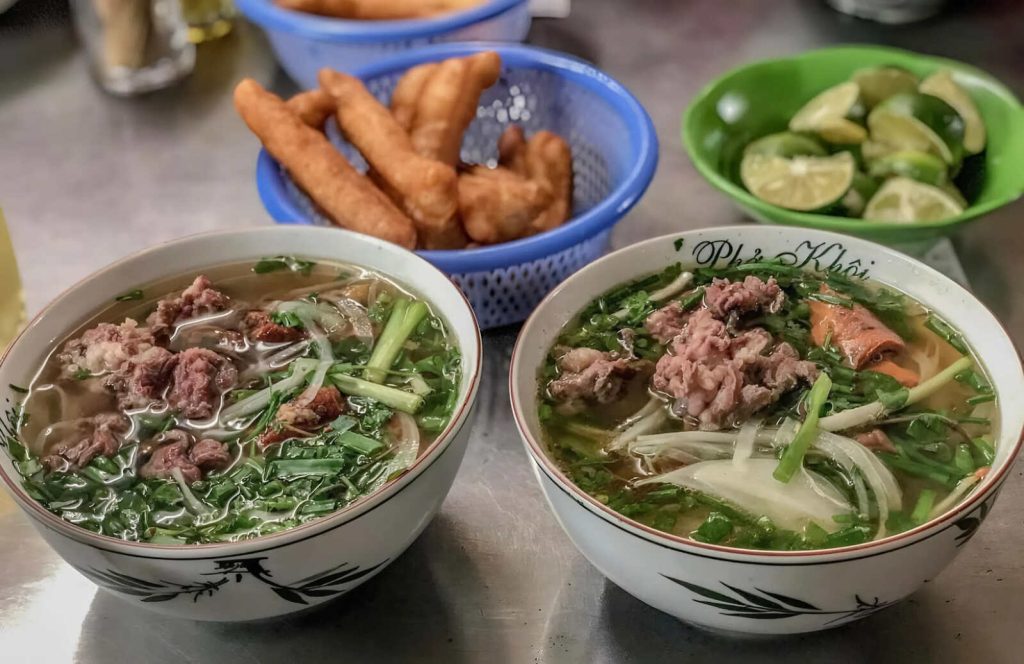
No discussion of Vietnamese cuisine would be complete without Pho, the country’s iconic noodle soup that has earned worldwide recognition.
A bowl of authentic Pho consists of fragrant broth slowly simmered for hours, tender slices of beef or chicken, silky rice noodles, and generous portions of fresh herbs that diners customize according to their taste.
Although Pho can now be found around the world, many visitors agree that enjoying it in Vietnam offers an entirely different experience because of the freshness of the ingredients and the regional variations.
Vietnam Café Culture: More Than Just Coffee
Vietnam is the world’s second-largest coffee exporter, and its café culture reflects both tradition and innovation. Coffee shops can be found everywhere, from historic buildings in Hanoi to modern rooftop cafés overlooking Ho Chi Minh City’s skyline.
Rather than simply serving as places to grab a drink, Vietnamese cafés function as social spaces where friends meet, students study, and business conversations take place throughout the day.
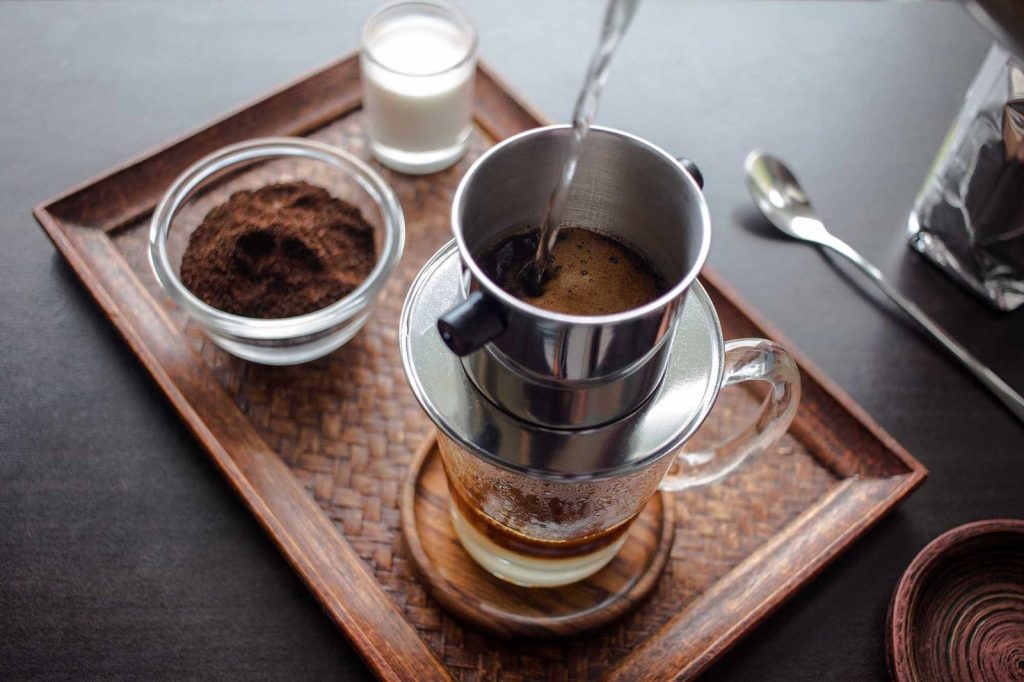
You should not miss local specialties such as Vietnamese iced coffee, rich egg coffee, creamy coconut coffee, or the traditional slow-brewed drip coffee prepared using a metal filter.
The Ho Chi Minh Trail: A Journey Through History
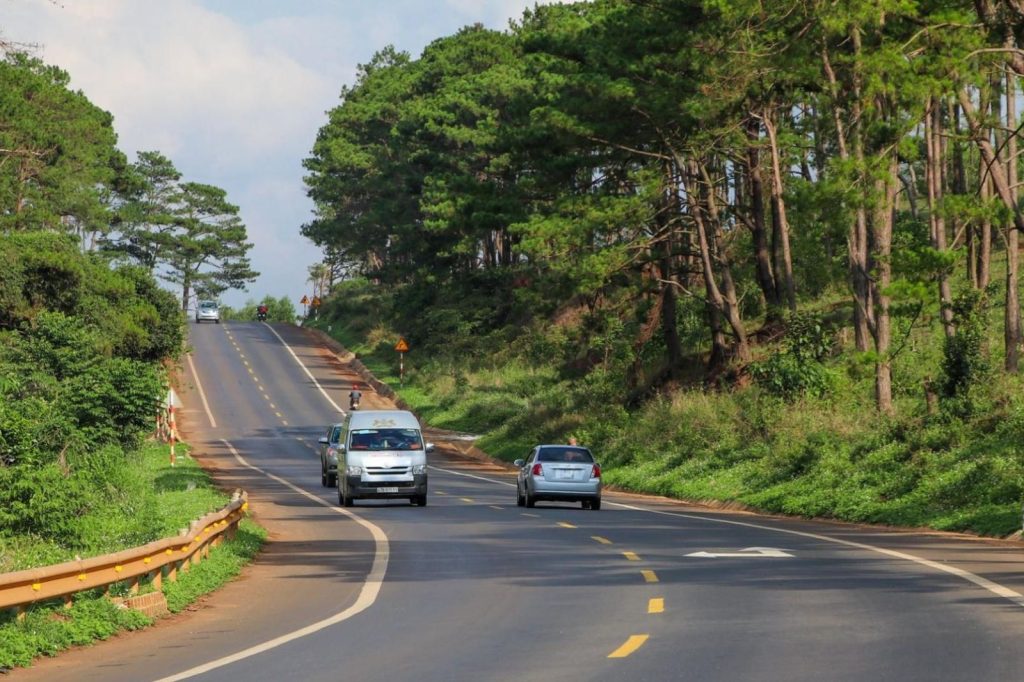
The Ho Chi Minh Trail is one of Vietnam’s most significant historical landmarks and represents an important chapter in the country’s modern history. During the Vietnam War, this extensive network of roads and pathways connected northern and southern Vietnam through neighboring Laos and Cambodia, serving as a vital transportation and supply route.
Today, many sections of the trail have been transformed into scenic driving routes that wind through forests, mountains, national parks, and remote villages, allowing visitors to experience both Vietnam’s natural beauty and its historical legacy.
Museums and preserved historical sites along the route provide valuable context for travelers interested in understanding the events that shaped modern Vietnam.
Why Vietnam Should Be Your Next Destination
Vietnam offers an extraordinary combination of natural beauty, cultural richness, historical significance, and outstanding hospitality that continues to captivate travelers from around the world.
Whether you are cruising among the limestone islands of Ha Long Bay, wandering through the lantern-lit streets of Hoi An, discovering the energy of Hanoi and Ho Chi Minh City, enjoying authentic Pho at a neighborhood restaurant, relaxing in a traditional Vietnamese café, or following the historic Ho Chi Minh Trail, every experience reveals another layer of this remarkable country.
Vietnam provides an accessible and rewarding destination where modern conveniences blend seamlessly with centuries-old traditions. With straightforward eVisa options, expanding international flight connections, excellent domestic airlines, diverse weather that supports year-round travel, and some of the world’s most celebrated cuisine, Vietnam stands out as one of Asia’s most rewarding destinations for an unforgettable vacation.
Disclaimer: While we put an effort to ensure that the provided information is correct and up-to-date, there are probably changes which we are unaware of.