中文 (简体)
Vietnam has quickly become one of the most exciting destinations for Australian travelers, and in 2026, that trend is stronger than ever. With vibrant culture, stunning landscapes, incredible food, and great value for money, it’s easy to see why more Australians are choosing Vietnam over traditional long-haul trips.
If you’re planning your journey, this guide will walk you through everything you need to know, from Vietnam visa requirements to the destinations and experiences Australians love most in the country.
Vietnam Is Booming Among Australian Travelers
Vietnam’s rise in popularity is backed by data. A recent report by VnExpress highlights that Vietnam has emerged as one of the top travel choices for Australians, driven by increasing flight connectivity, affordability, and a growing appetite for cultural and nature-based experiences.
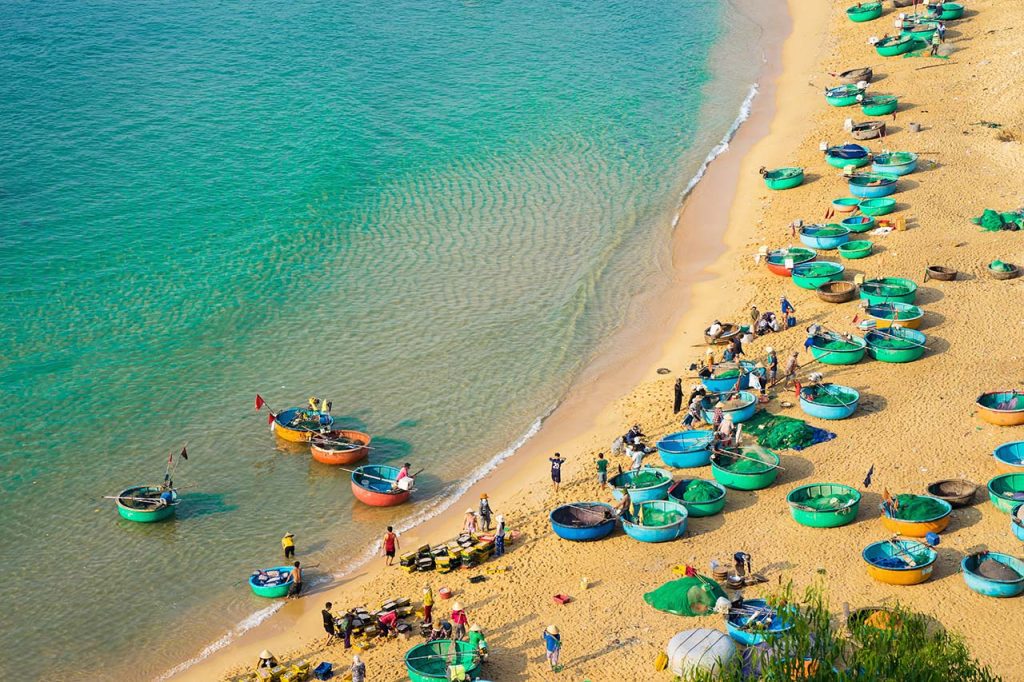
This surge is also reflected in travel search trends across Asia. Coastal cities like Nha Trang and Da Nang are now leading trending destinations, with accommodation searches rising by an impressive 65% year-on-year. Meanwhile, Phu Quoc has seen a 45% increase in interest, outperforming well-known beach destinations in other countries, showing how quickly Vietnam is climbing the ranks as a preferred beach and leisure destination for international travelers, including Australians.
Do Australians Need a Visa for Vietnam?
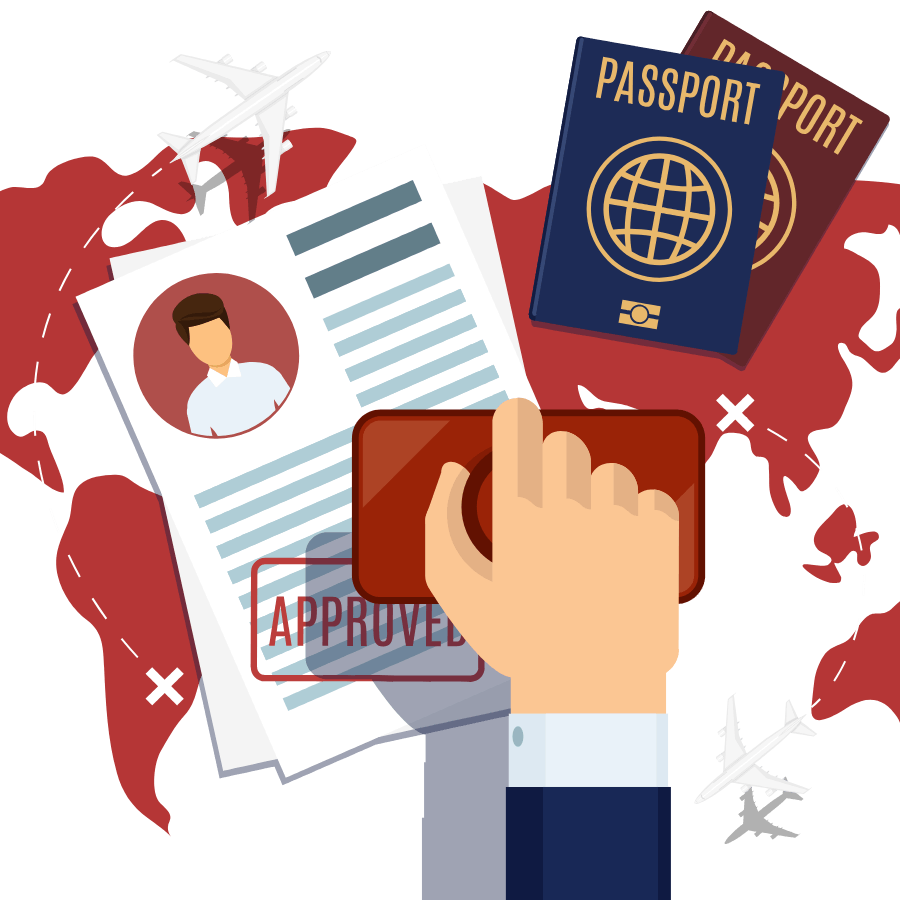
Yes, Australian citizens are required to obtain a visa before entering Vietnam. The most convenient option is the Vietnam eVisa, which allows travelers to stay for up to 90 days with either single or multiple entries.
The process is fully online and has become the preferred choice for most travelers thanks to its simplicity and speed.
How to Apply for a Vietnam eVisa?
Applying for a Vietnam eVisa is straightforward and can be completed in just a few steps.
You can begin by visiting the official immigration website https://evisa.gov.vn/ and filling out an application form with your personal details, passport information, and travel plans. You’ll also need to upload a scanned copy of your passport and a recent portrait photo.
Once the form is completed, pay the processing fee online. Most applications are processed within 03 to 07 working days, after which you can download your eVisa as a PDF file. It’s important to print a copy and keep a digital version on your phone, as you’ll need to present it upon arrival.
 If you need a last-minute Vietnam visa, don’t worry! Just stay calm, contact us via Hotline/ WhatsApp/ Viber/ Zalo +84 86 517 8972, or email sales@vmetravel.net and everything will be solved without hassle.
Where Australians Love to Go in Vietnam
Vietnam’s diversity is one of its biggest strengths, and Australian travelers tend to explore a mix of destinations rather than staying in just one place.
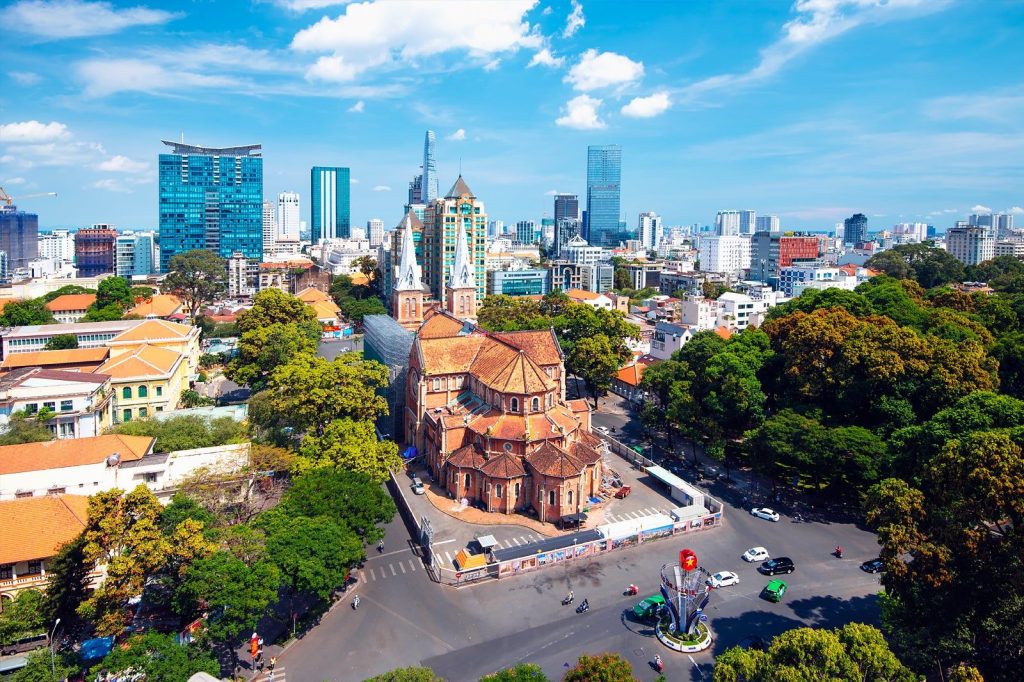
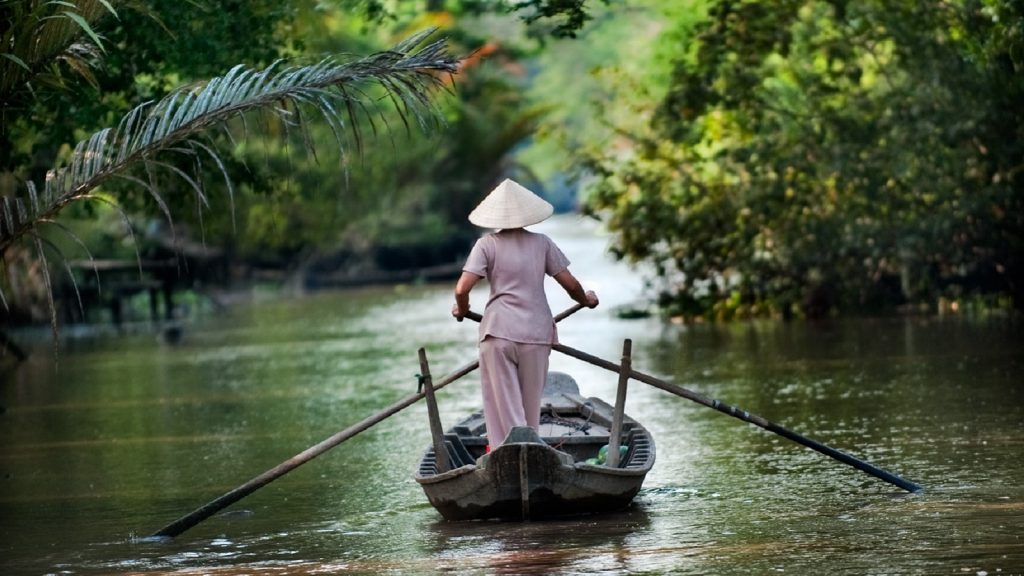
In the South, Ho Chi Minh City is often the first stop where majority international flights land at Tan Son Nhat Airport (SGN). Australians are drawn to its energy, chaotic charm, and incredible street food scene. Many spend their days exploring markets, rooftop bars, and historical landmarks, while evenings are reserved for sampling local dishes like pho and banh mi at bustling street stalls. The nearby Mekong Delta is also a favorite, offering a glimpse into rural life with floating markets and river cruises.
You may also need:
- Check here for online pre-arrival declaration at Tan Son Nhat Airport;
- Guide for arrival at Tan Son Nhat Airport;
- For guides of transferring between international and domestic terminal at Tan Son Nhat Airport, check here;
- Public bus from Tan Son Nhat to HCMC;
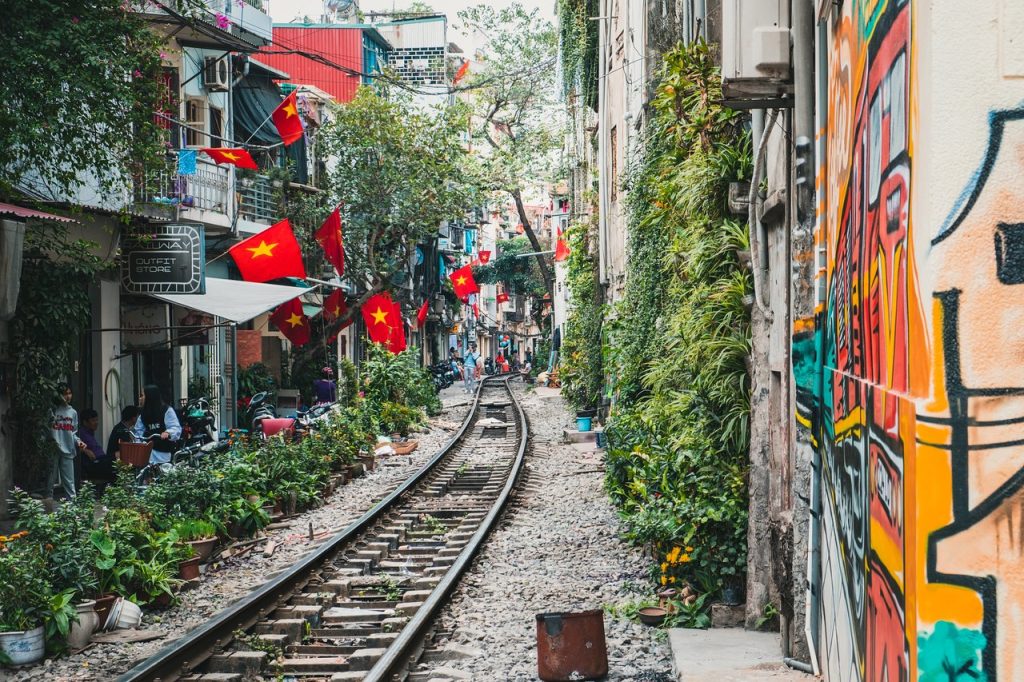
Further North, Hanoi offers a completely different atmosphere where most travelers fall in love with its old-world charm, narrow streets, and lakeside cafés. The Old Quarter is a highlight, where you can wander through centuries-old streets and discover hidden food spots. Hanoi is also the gateway to one of Vietnam’s most iconic wonders such as Ninh Binh, Sapa, or Ha Long Bay.
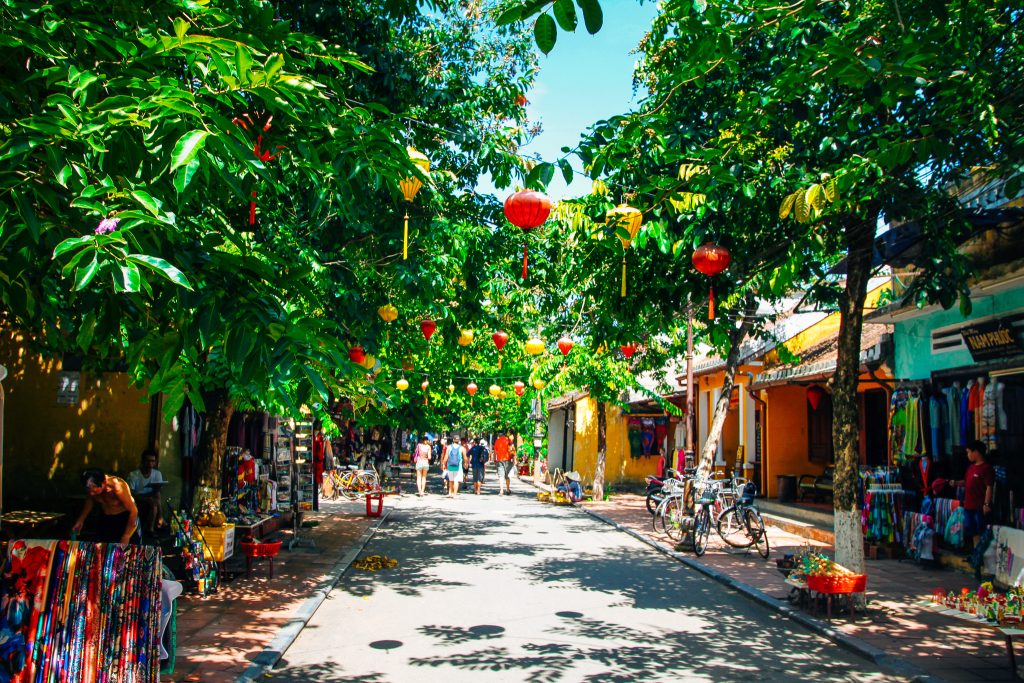
Central Vietnam has become increasingly popular, especially the coastal city of Da Nang. Known for its clean beaches and modern vibe, Da Nang attracts Australians looking for a relaxed beach holiday. Just a short drive away is Hoi An, a beautifully preserved ancient town that has become a favorite among Aussie visitors. Walking through its lantern-lit streets at night, getting custom-made clothing, and taking cooking classes are all experiences that consistently rank highly among travelers.
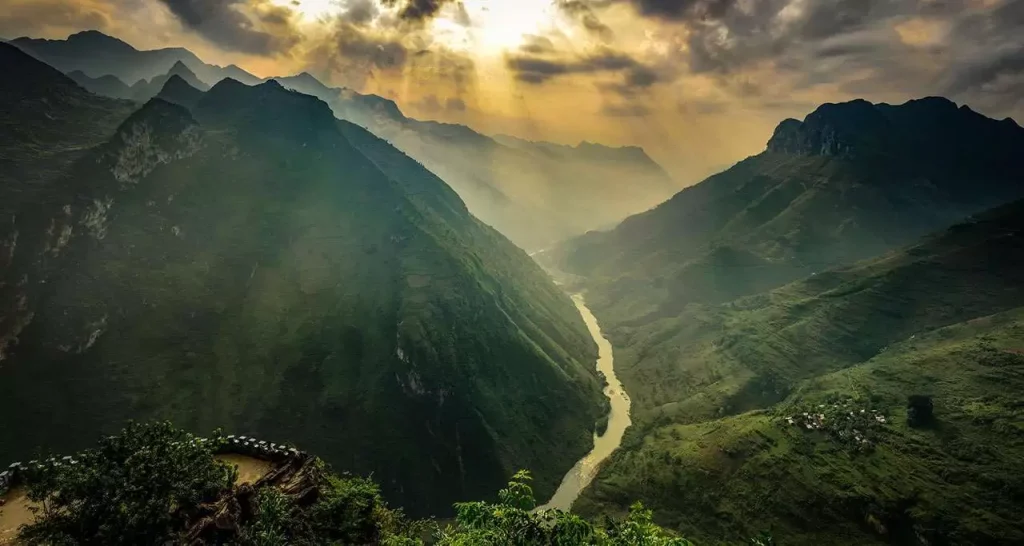
For those seeking adventure, northern regions like Ha Giang offer something completely different. Australians who enjoy road trips and outdoor exploration are increasingly tackling the famous Ha Giang Loop, a motorbike journey through dramatic mountain landscapes and remote villages. It’s a more rugged experience but one that leaves a lasting impression.
Experiences Australians Enjoy Most in Vietnam
What makes Vietnam truly special isn’t just where you go, it’s what you do. Australian travelers are known for seeking authentic, immersive experiences, and Vietnam delivers on all fronts.
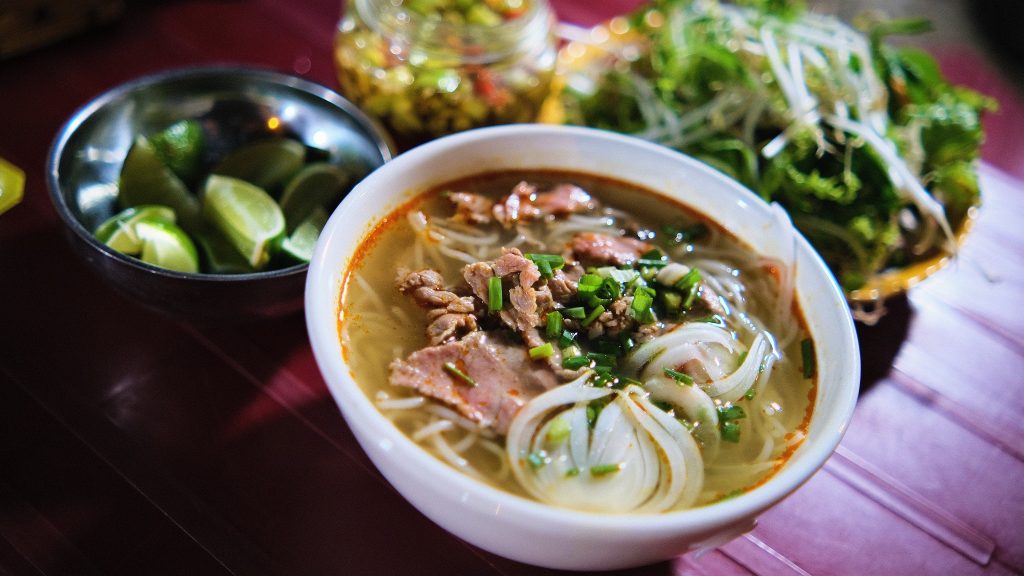
Food is always at the center of the journey. Many Australians arrive with high expectations, and Vietnam rarely disappoints. From street-side noodle soups to fresh seafood along the coast, the country’s cuisine is both diverse and deeply flavorful. Cooking classes in places like Hoi An or Hanoi have become especially popular, allowing travelers to learn traditional recipes (such as spring rolls) and bring a taste of Vietnam back home.
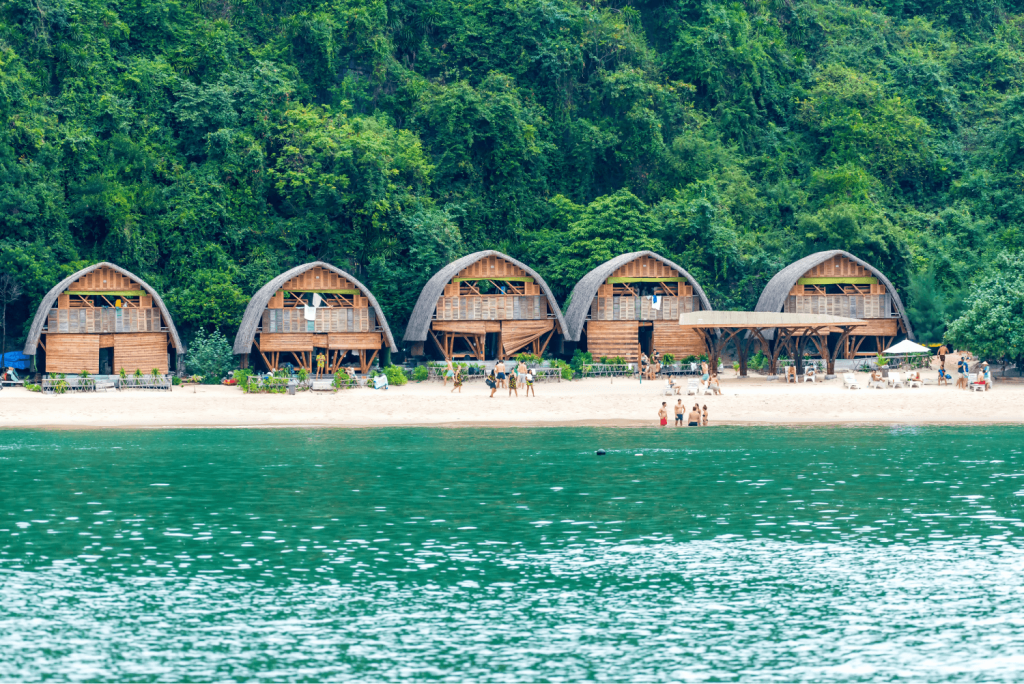
Beach experiences are another major draw. Australians, already accustomed to great beaches, are pleasantly surprised by Vietnam’s coastline. Destinations like Da Nang and nearby areas (such as Nha Trang, Mui Ne, Ninh Thuan, etc.) offer long stretches of sand, warm water, and a more relaxed atmosphere compared to busier international resorts.
Cultural exploration is equally important. Visiting temples, pagodas, and historical sites provides insight into Vietnam’s rich history. Australians often take guided tours to better understand the country’s past, including its colonial history and more recent events.
Also, adventure activities are on the rise. Trekking in the northern highlands, motorbiking through mountain passes, and exploring caves in central Vietnam are all experiences that appeal to Australians looking for something beyond a typical holiday.
Practical Vietnam Travel Tips for Australians
Traveling in Vietnam is generally straightforward, but a few tips can make your trip even smoother.
- The local currency is the Vietnamese Dong, and while card payments are becoming more common, cash is still widely used, especially in smaller towns and markets.
- Vietnam’s climate varies significantly from North to South, so it’s important to plan accordingly. While the South is warm year-round, the North experiences cooler winters, which can be surprisingly chilly.
- Transportation within Vietnam is affordable and efficient. Domestic flights are a popular way to cover long distances, while ride-hailing apps (Grab, Be, Xanh SM) make getting around cities easy and convenient.
You may also need:
- Check here for more details of using Grab, Be and Xanh SM in Vietnam;
- Vietnam eSIM is really convenient for your trip, compared to physical SIM card;
- Best places to visit Vietnam in summer;
- Best places to visit Vietnam in winter;
Vietnam continues to capture the attention of Australian travelers, and it’s not hard to understand why. With its combination of affordability, natural beauty, cultural richness, and unforgettable food, it offers an experience that feels both exotic and accessible.
By securing your Vietnam visa in advance and planning your itinerary around the destinations and experiences Australians love most, you’ll be well on your way to an incredible journey. Whether you’re cruising through Ha Long Bay, wandering the lantern-lit streets of Hoi An, or enjoying street food in Ho Chi Minh City, Vietnam promises memories that will stay with you long after you return home.
Disclaimer: While we put an effort to ensure that the provided information is correct and up-to-date, there are probably changes which we are unaware of.