中文 (简体)
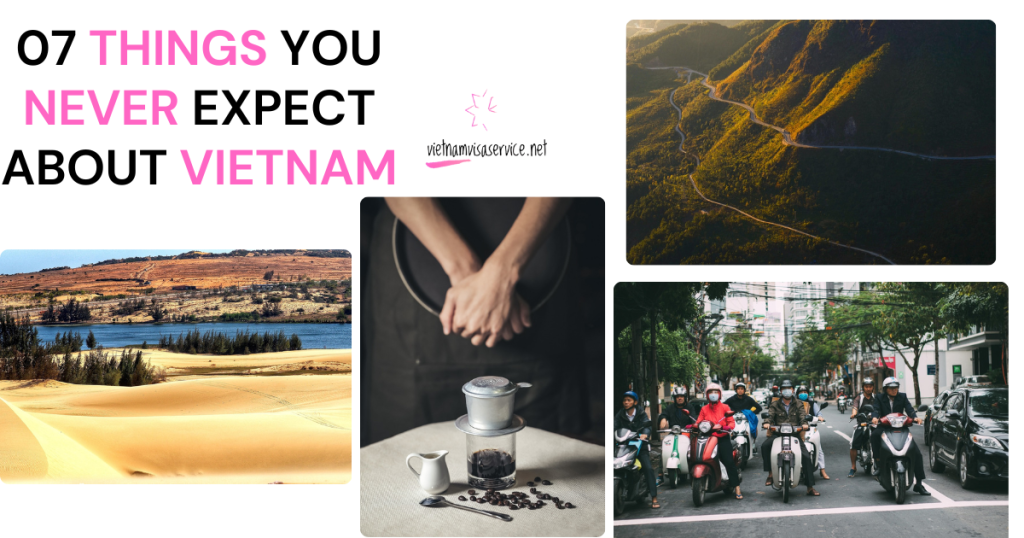
Vietnam is well known for consistently defying expectations and leaves visitors amazed at every turn from traffic, cuisines, coffee culture, landscapes to locals. This post will provide you with comprehensive guide, taking you through 07 aspects of Vietnam that will completely surprise you, while also providing essential practical advice about Vietnam visas, Internet connectivity, and hidden gems that most tourists might miss.
01 – The traffic in Vietnam is pure organized chaos
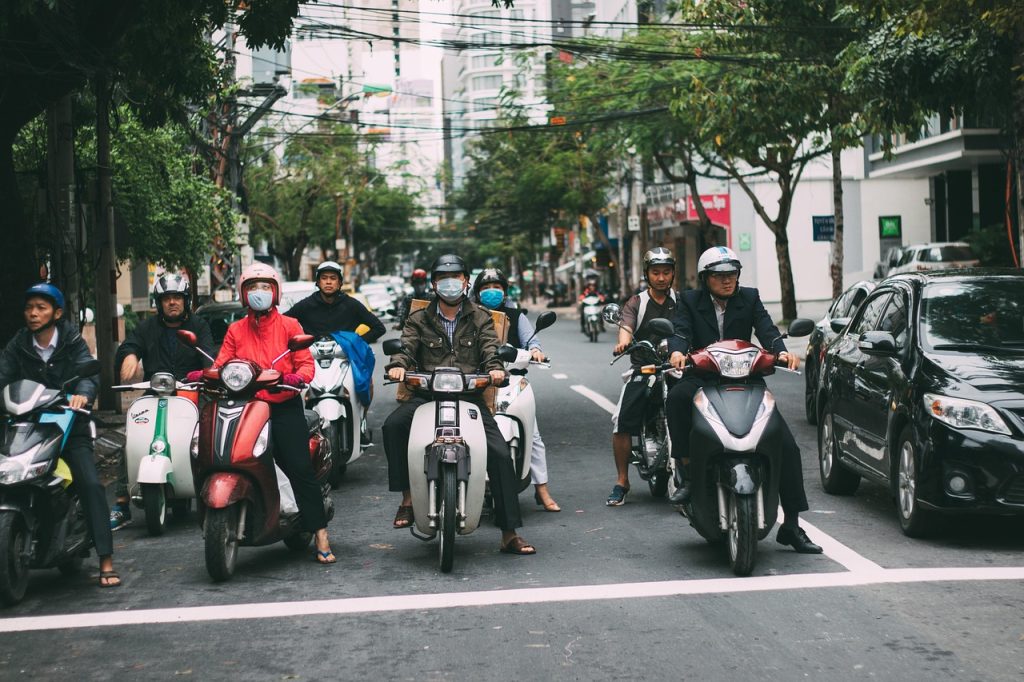
One of the first things that strikes travellers to Vietnam’s major cities like Hanoi or Ho Chi Minh City (Sai Gon) is the unbelievable traffic situation.
At first glance, the streets appear to be in complete disorder with an endless flow of motorbikes in every direction. But what’s truly amazing is how this apparent chaos actually functions with remarkable efficiency because you will recognize that there’s an unspoken rhythm to Vietnamese traffic that becomes apparent after a few days.
Crossing the street then becomes an adventure in itself that makes you even feel interested, the key is to walk slowly and steadily, making your intentions clear, while the motorbikes fluidly adjust their paths around you and avoid touching you. Moreover, while the constant honking seems aggressive at first, it is actually an implicit communication system, with different patterns indicating everything making that chaos in order. For those who have been living a period of time and brave enough to join the flow, renting a motorbike can be an exciting way to experience the city like a local.
02 – Vietnam’s coffee is next level
You might enjoy coffee in other countries but when coming to the country, Vietnam’s coffee culture will revolutionize what you think about your daily caffeine fix.
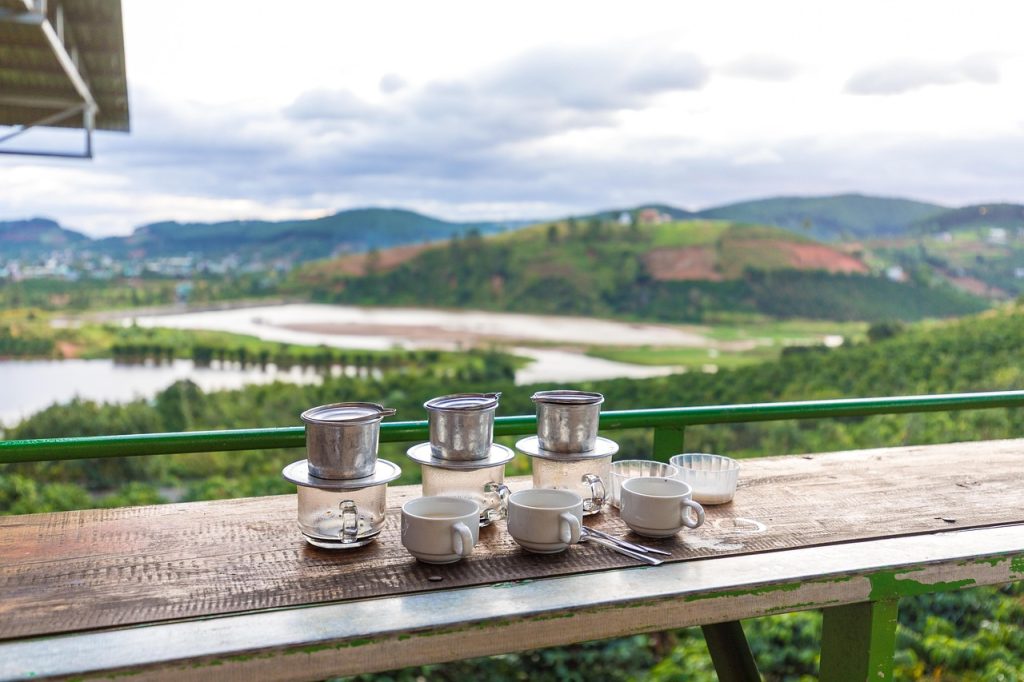
As the world’s second-largest coffee producer after Brazil, Vietnam takes its coffee seriously, but with a distinctive local vibe that make it different from the rest part of the world. Not from luxury restaurants or coffee shop, Vietnam’ coffee culture is famous for the way people drink it. With just a tiny plastic stools spill out from storefronts onto sidewalks across the country, from elderly men playing chess over tiny cups of black coffee to young couples sharing iced coconut coffee on date night, these sidewalk cafes offer a window into Vietnamese daily life.
The most famous variation here is “cà phê sữa đá” – strong dark roast coffee slowly filtered through a small metal “phin” into a glass containing sweetened condensed milk, then poured over ice, resulting in a mixture of an intense, sweet yet bitter flavor. Not only that, Vietnam’s coffee culture varies on areas. If you are in Hanoi, don’t skip Hanoi’s famous egg coffee or “cà phê trứng” blending of egg yolks, sugar, condensed milk and robusta coffee into a creamy, custard-like drink that’s more dessert than beverage. In the Central Highlands where most coffee trees are grown, you’ll have chance visiting vast gardens or coffee farms and find various versions of menu.
03 – Vietnam visa process is easier than you think
Many travelers are pleasantly surprised to discover how straightforward Vietnam’s visa process has become in recent years. The introduction of the Vietnam eVisa system revolutionized entry procedures, making it possible for citizens of 80 countries to obtain authorization online without visiting an embassy while it’s valid for entry at 33 international checkpoints including major airports, land borders, and seaports. The application process can be completed entirely online through the official government portal, requiring just a digital passport photo, scanned passport page and filling personal information.
04 – Son Doong – The largest cave in the world
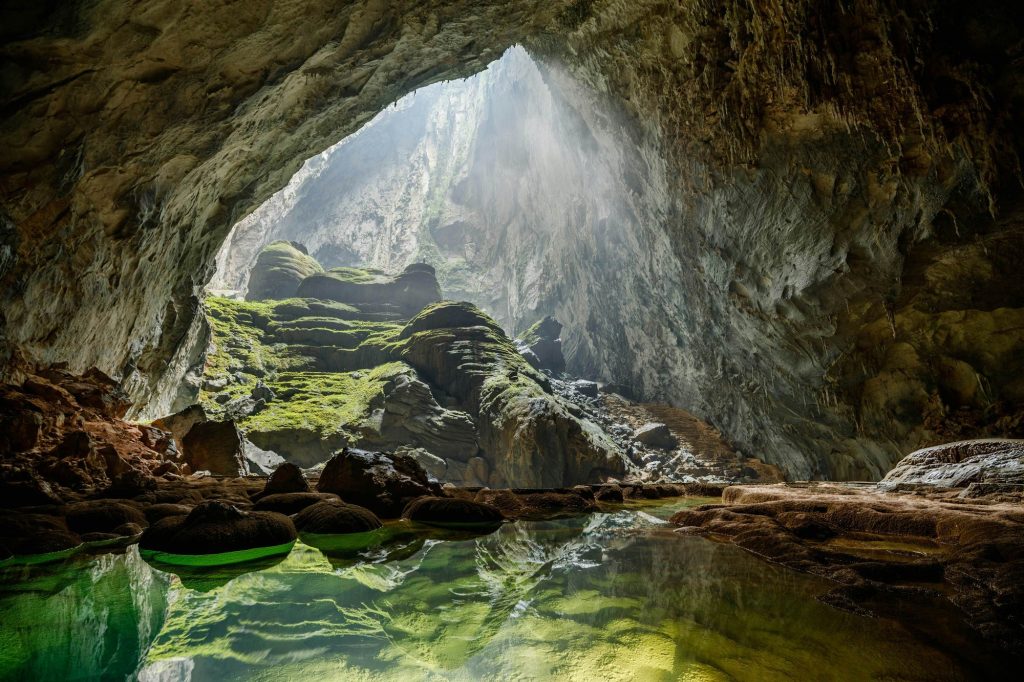
If you are trekking lover, Vietnam shouldn’t be missed as it has a collection of marvelous cave system, especially Son Doong. Deep in the Phong Nha-Ke Bang National Park, Son Doong was discovered in 1991 by a local lumberjack and properly explored in 2009 by British cavers, and astound every adventure seeker.
With the size large enough to fit an entire New York City block with 40-story skyscrapers, the main 5-kilometer-length cavern, 200-meter- tall-and-150-meter width sections, the cave has their own weather systems inside like jungle vegetation, clouds, underground river, etc. What makes Son Doong even more remarkable is its exclusivity – only about 1,000 visitors are permitted annually through a single licensed tour operator, with expeditions costing around $3,000 for the multi-day adventure. But waiting always worths it.
05 – Vietnamese Food is more than “Pho”
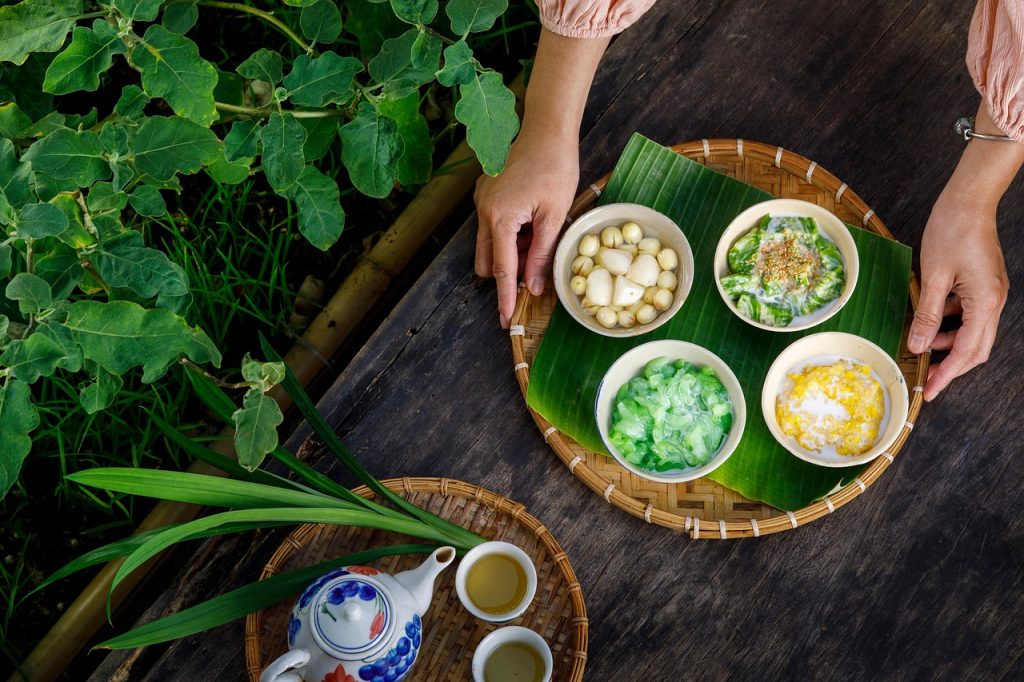
Undoubtedly, Pho is the must-trying dish for foreigners, here in Vietnam you can find even more. Vietnamese cuisine varies dramatically by region, offering an incredible diversity of flavors and textures that will awe you.
In the north, dishes tend to be milder and more subtle, with Hanoi “bún chả” – grilled pork with rice vermicelli – gaining global recognition after Anthony Bourdain and Barack Obama shared a meal of it some year ago. While Central Vietnam provide eaters the most complex flavors, highlighted by “bún bò Huế”, a spicy beef noodle soup from the former imperial capital, and “bánh xèo”, crispy turmeric-infused pancakes stuffed with pork and shrimp. Keep moving to the South, the cuisine reflects the region’s tropical abundance, with sweeter flavors and fresh herbs in dishes like “bánh khọt” and “hủ tiếu”. Furthermore, what even surprises many visitors is the incredible variety of street food available anywhere, anytime that you might spend weeks to try all.
06 – The beaches
Thanks to the S shape stretching from the North to the South, the coastline of Vietnam can be the main rival to other beaches all over the world.
They may not have international reputation, but it truly the most spectacular and underrated coastal destinations, especially beaches in the North central region with Danang’s My Khe Beach or Lang Co Beach that impress visitors with its pristine white sand and backdrop of lush mountains with high-end resorts available at reasonable prices. In the South, the beach city of Nha Trang offers powdery sand alongside vibrant nightlife and excellent diving spots.
The real gems, however, are found in Vietnam’s southern islands such as Phu Quoc and Con Dao. Phu Quoc, Vietnam’s largest island, features breathtaking beaches like Sao Beach with its crystal-clear turquoise waters and fine white sand that rivals any in the region. While Con Dao – the untapped archipelago – offers deserted stretches of sand surrounded by national park land, with excellent snorkeling just offshore.
07 – Motorbike road trips
Vietnam offers some of the world’s most spectacular motorbike routes, attracting adventure seekers eager to experience the country’s diverse landscapes up close.
For example, the most famous journey Hai Van Pass of 21 km mountain road between Hue and Danang or 300 km circuit of Ha Giang Loop that gained international fame with the dramatic scenery of lush hillsides, terraced rice fields or breathtaking ocean views at every turn. These routes provide unparalleled access to Vietnam’s natural beauty and cultural richness, passing through ethnic minority villages where traditional ways of life endure.
However, these adventures come with significant risks that travelers should carefully consider. Therefore, proper preparation is essential. You are advised to rent motorbikes from reputable shops with well-maintained vehicles, always wearing helmets, buy the insurance, follow the traffic law and avoiding night riding.
Tips for travelling in Vietnam
Travelling in Vietnam will be the most unforgettable experience while avoiding common problems if you can keep these essential tips in mind. Timing your visit carefully can dramatically impact your experience. While Vietnam is a year-round destination, the ideal period for most travelers is between November and April when the north enjoys cooler temperatures and the south avoids its rainy season. As a result, packing should account for varied climates. For transportation within cities, ride-hailing apps like Grab, Be or Xanh SM offer convenience and fair pricing, while for longer distances, Vietnam’s extensive network of sleeper buses and trains provide affordable if basic options.
Perhaps most importantly, check if your nationality is required Vietnam visa to enter the country, and buy a Vietnam eSIM to stay connected. If this is your first time coming to Vietnam, for personalized advice on crafting your perfect Vietnamese journey, don’t hesitate to reach out to our travel experts. Your unforgettable experience begins here!
In case you want more assistance in planning your Vietnam trip, don’t hesitate to contact us directly via Hotline/ WhatsApp/ Viber/ Zalo +84 86 517 8972, OR email sales@vmetravel.net.
👉 Read more: Best time to visit Vietnam.